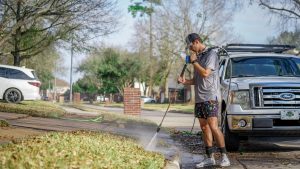
Graffiti can appear on your property overnight, turning a clean exterior into an eyesore that affects curb appeal and property value. The key to successful removal isn’t just speed but choosing the right method for each surface type to avoid permanent damage while eliminating every trace of unwanted paint or markings.
Understanding Different Graffiti Types & Surface Materials
The approach you take for graffiti removal depends heavily on what’s been sprayed and where. Spray paint behaves differently than marker ink, and porous brick reacts differently than sealed concrete or glass.

Paint-based graffiti penetrates deeper into surfaces, especially porous materials like unfinished concrete, brick, or wood. These require chemical solvents or pressure washing techniques that can reach below the surface layer. Marker-based graffiti typically sits on the surface but can be surprisingly stubborn on smooth materials where the ink bonds to the finish.
The surface material determines which removal method won’t cause harm. Glass and metal can typically handle stronger chemicals and higher pressure washing. Painted surfaces, stucco, and wood siding require gentler approaches to avoid stripping protective coatings or damaging the underlying material. Houston’s humid climate adds another layer of complexity, as moisture can cause certain graffiti removal chemicals to react unpredictably or take longer to work effectively.
Understanding these basics prevents the common mistake of using a one-size-fits-all approach that removes graffiti but leaves behind chemical stains, pressure damage, or stripped paint that creates an even bigger restoration project.
Safe Removal Methods for Common Exterior Surfaces
Brick and concrete surfaces handle aggressive cleaning methods better than most materials, but porous surfaces still require care. Start with a graffiti remover specifically formulated for masonry, applied generously to saturate the paint. Let it sit for the manufacturer’s recommended time (usually 5-10 minutes), then use a pressure washer at 3,000 PSI with a 25-degree nozzle, keeping the wand at least 12 inches from the surface. For stubborn paint that’s soaked into the pores, a second application with light scrubbing using a stiff brush before pressure washing often completes the job.
Painted surfaces present the biggest challenge because you’re trying to remove unwanted paint without damaging the underlying paint. Chemical graffiti removers designed for painted surfaces work by softening the graffiti without affecting cured paint underneath, but timing matters. Apply the remover, wait exactly as directed (over-waiting can soften both layers), then wipe away with clean rags. For painted wood siding or trim, low-pressure washing (500-800 PSI) can rinse away residue, but anything higher risks peeling the paint you want to keep.
Glass and metal are the most forgiving surfaces. Commercial graffiti removers work quickly on these non-porous materials, or you can use acetone for smaller areas. Razor scrapers remove dried paint from glass without scratching when held at a 45-degree angle and kept wet. Metal surfaces can handle pressure washing up to 3,500 PSI, making them relatively straightforward for professional pressure washing services.
Stucco and textured surfaces trap paint in their grooves and divots, making complete removal difficult. Apply graffiti remover liberally, using a brush to work it into the texture. Pressure washing at 2,000-2,500 PSI with a rotating nozzle helps reach into crevices, but go slowly to avoid pitting the surface. Expect that heavily textured surfaces might retain slight shadowing even after proper cleaning.
Chemical Selection & Application Safety
Choosing the right chemical remover prevents surface damage and protects surrounding landscaping. Solvent-based removers work fastest but require careful handling and can damage plants if overspray occurs. Water-based removers take longer but offer safer application around vegetation and painted surfaces.
Before applying any chemical remover, protect nearby plants by pre-soaking them with water and covering sensitive species with plastic sheeting. The water creates a barrier that prevents chemical absorption into leaves and roots. Most professional graffiti removal services pre-rinse all surrounding areas, apply the remover to only the affected surface, and complete a thorough neutralizing rinse afterward.
Test any chemical remover on an inconspicuous area first. What works safely on one section of painted siding might react differently on another area with a different paint age or finish. A small test spot reveals potential problems before you’ve applied chemicals to the entire graffiti area.
Proper application means using enough product to fully saturate the paint but not so much that it runs onto unaffected surfaces. For vertical surfaces, work from bottom to top during application to prevent streaking, then rinse from top to bottom. This technique prevents dirty runoff from staining areas you’ve already cleaned.
When Pressure Washing Becomes Essential
Graffiti on large commercial buildings, warehouse exteriors, or extensive concrete areas often requires pressure washing as the primary removal method rather than a finishing step. The efficiency of covering large areas makes it practical, but technique determines whether you remove graffiti or damage the surface.

Surface preparation matters as much as the washing itself. Pre-treating graffiti with appropriate removers softens paint and reduces the pressure needed for removal. This approach minimizes the risk of etching concrete or stripping paint from surfaces where you want the original finish to remain intact.
Pressure and distance work together to control cleaning intensity. Higher PSI doesn’t automatically mean better results. For most graffiti removal, 2,000-3,000 PSI removes paint effectively when combined with the correct nozzle and distance. A 15-degree nozzle concentrates the spray for stubborn paint, while a 25-degree nozzle covers more area with slightly less intensity. Keeping the wand 8-12 inches from the surface prevents gouging while maintaining effective cleaning power.
Professional equipment includes hot water units that dramatically improve graffiti removal on concrete and brick. Hot water (180-200°F) breaks down spray paint faster than cold water, reducing the time surfaces are exposed to high pressure. This combination removes graffiti more completely with less risk of surface etching or shadowing.
Addressing related surface issues during graffiti removal makes practical sense. If you’re already pressure washing a commercial building to remove graffiti, inspecting for oxidation, staining, or rust on metal fixtures and addressing those issues during the same service visit provides comprehensive restoration.
Preventing Surface Damage During Removal
The difference between successful graffiti removal and a damaged surface often comes down to recognizing when to stop. Aggressive removal techniques can eliminate graffiti but leave behind etching, discolouration, or stripped protective coatings that create long-term problems.
Know your surface limits. Older brick might have deteriorating mortar that pressure washing can dislodge. Painted surfaces have finite paint thickness, and aggressive scrubbing or repeated chemical applications eventually reach bare wood or substrate. If initial removal attempts show surface damage rather than graffiti removal, it’s time to adjust your approach or call in experienced help.
Work in stages rather than attacking stubborn areas with increasing force. Apply chemical remover, let it work fully, remove what comes off easily, then repeat if necessary. This staged approach prevents the impulse to crank up pressure or scrub aggressively when immediate results don’t appear.
Recognize when shadowing is acceptable. Some porous surfaces, particularly unfinished concrete or weathered brick, retain slight paint shadowing even after proper removal. Attempting to eliminate every trace can damage the surface more than the faint shadow affects appearance. Professional services understand this balance and know when removal is complete even if absolute perfection isn’t achievable.
Frequently Asked Questions About Graffiti Removal
How quickly should graffiti be removed after it appears?
Remove graffiti as soon as possible, ideally within 24-48 hours. Fresh paint hasn’t fully cured or penetrated deeply into porous surfaces, making removal significantly easier. Quick removal also discourages repeat incidents, as graffiti artists often avoid locations where their work gets removed immediately. Waiting weeks or months allows paint to cure completely and weather into the surface, making removal more difficult and increasing the chance of permanent shadowing.
Can graffiti removal damage exterior paint on buildings?
Yes, if incorrect methods or chemicals are used. Paint-safe graffiti removers and low-pressure washing techniques remove most spray paint without affecting underlying paint, but older or deteriorating paint is more vulnerable. Testing removal methods on a small hidden area first reveals whether your building’s specific paint finish can handle the treatment. Professional services assess paint condition before beginning and adjust their approach to preserve the original finish.
What should you do if graffiti keeps reappearing on the same surface?
Consistent rapid removal discourages repeat incidents, but persistent problems might require anti-graffiti coatings. These clear sealers create a barrier that prevents paint from bonding to the surface, making future removal as simple as wiping with the appropriate solvent. The coating itself needs reapplication after each cleaning. For ongoing commercial problems, combining rapid professional removal response with protective coatings provides the most effective long-term solution.
Complete Surface Restoration After Graffiti Removal
Graffiti removal gets your property clean, but complete restoration often requires additional steps. Chemical residue needs thorough rinsing to prevent discolouration or damage to surrounding vegetation. Surfaces that underwent aggressive cleaning might need resealing or repainting to restore their protective finish and appearance.
Check mortar joints after removing graffiti from brick, as pressure washing can reveal deteriorated mortar that needs repointing. Inspect painted surfaces for areas where removal techniques lifted original paint, requiring touch-up. These post-removal assessments ensure your property looks professionally maintained rather than simply scrubbed clean.
For commercial properties where image matters, consider scheduling regular exterior maintenance beyond just graffiti removal. A property that undergoes routine professional cleaning presents fewer attractive targets for vandalism and maintains consistent curb appeal that protects property values.
Professional graffiti removal services handle everything from chemical selection to final surface restoration, with the equipment and expertise to remove unwanted markings without creating new problems. Get a free quote from Kinda Nice Exterior Cleaning to restore your Houston property’s appearance with techniques that protect your surfaces while eliminating graffiti completely.